The history of the vintage photo booth begins in 1925, when Anatol Josepho introduced the first fully automated photographic machine, known as the Photomaton. For the first time, people could sit inside a small booth, press a button, and receive a strip of black and white photographs within minutes.
This innovation transformed photography. Portraits were no longer limited to professional studios. They became accessible, affordable, and spontaneous.
Companies expanded the concept across Europe, placing booths in train stations, arcades, and department stores. These early machines created the foundation for what we now recognise in the history of the vintage photo booth.
From Practical to Personal
In the mid twentieth century, photo booths became part of everyday culture. They were used for passport photos, driving licences, and official documents, but they also became something more personal.
The black and white strip format became iconic. The slightly grainy texture, the strong flash, and the candid expressions gave each image character. Unlike studio portraits that were carefully posed and lit, photo booth images felt real.
During this era, photography brands such as Kodak helped make film photography more accessible, which supported the wider culture of instant images and keepsakes. While booths remained mechanical and film based, their emotional value continued to grow.
They were not luxury items. They were spontaneous memory makers.
The Digital Shift in the History of the Vintage Photo Booth
By the late twentieth century, digital technology began changing the industry. Film processing gave way to digital cameras and instant dye sublimation printers. Colour became standard. Touch screens replaced mechanical timers.
Companies such as Polaroid Corporation had already shaped the idea of instant photography, and the public expectation for fast printed images continued to rise.
This stage in the history of the vintage photo booth marked a major turning point. Booths were no longer fixed in shopping centres or train stations. They became portable and available for private hire, opening the door to weddings, parties, and corporate events.
The Rise of the Vintage Revival
In recent years, the history of the vintage photo booth has come full circle. Couples planning boutique weddings have rediscovered the timeless appeal of black and white photography.
Platforms such as Instagram and Pinterest have influenced visual trends, bringing nostalgia and authenticity back into focus.
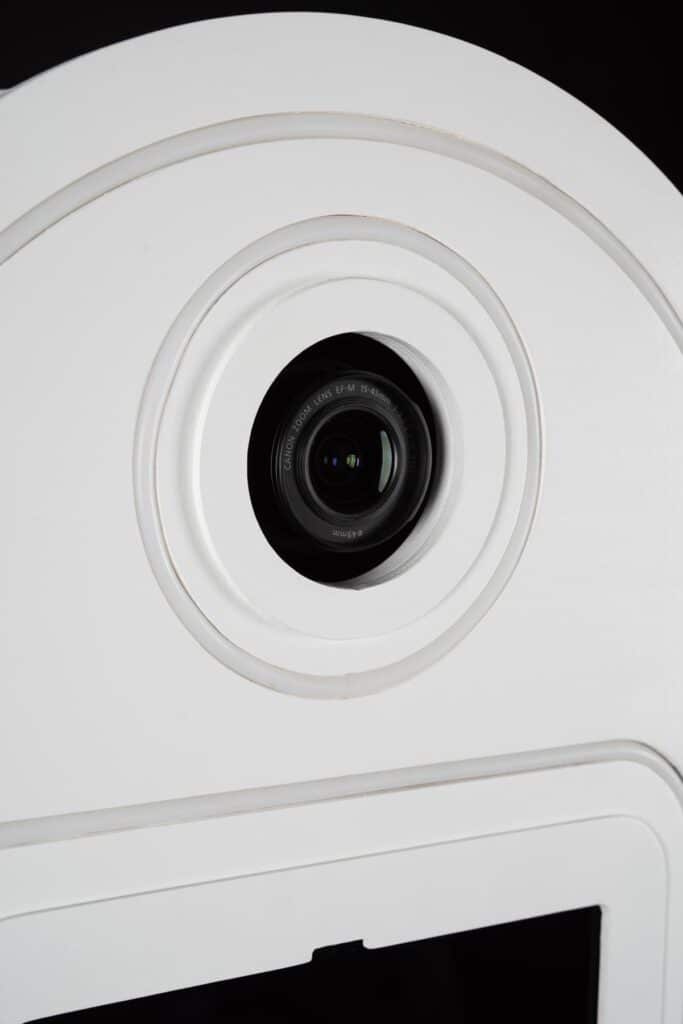
Modern vintage photo booths now combine digital reliability with classic styling. Wooden casings, minimalist branding, and monochrome filters replicate the aesthetic of early strip photography while maintaining modern print quality.
This blend of old and new has positioned the vintage photo booth as a premium feature at high end weddings and curated events.
Why the History of the Vintage Photo Booth Still Matters
Understanding the history of the vintage photo booth explains why it continues to thrive today. From mechanical film strips in 1925 to carefully styled wedding centrepieces, the core experience has remained the same.
People step in front of the lens, share a moment, and walk away with a physical memory.
The history of the vintage photo booth is not just about technology. It is about emotion, spontaneity, and connection. That is why it has evolved from arcade novelty to boutique wedding feature, and why it remains a valuable investment for photo booth businesses today.
The Early History of the Vintage Photo Booth
The history of the vintage photo booth begins in 1925, when Anatol Josepho introduced the first fully automated...
There’s something irresistibly fun about stepping into a retro photo booth, hearing that iconic camera click, and watching a photo strip print out seconds...
Thinking about investing in a photo booth for your events, venue, or business? While there are plenty of modern options on the market, choosing to buy...